
The Ultimate Guide to Safeguarding Your Finances from Online Scams
The digital landscape offers convenience, but it also harbors a hidden current of risk. Online scams are a persistent threat, preying on the unwary and capable of dismantling hard-earned financial security. This guide aims to equip you with the knowledge and strategies to build a robust defense against these digital predators.
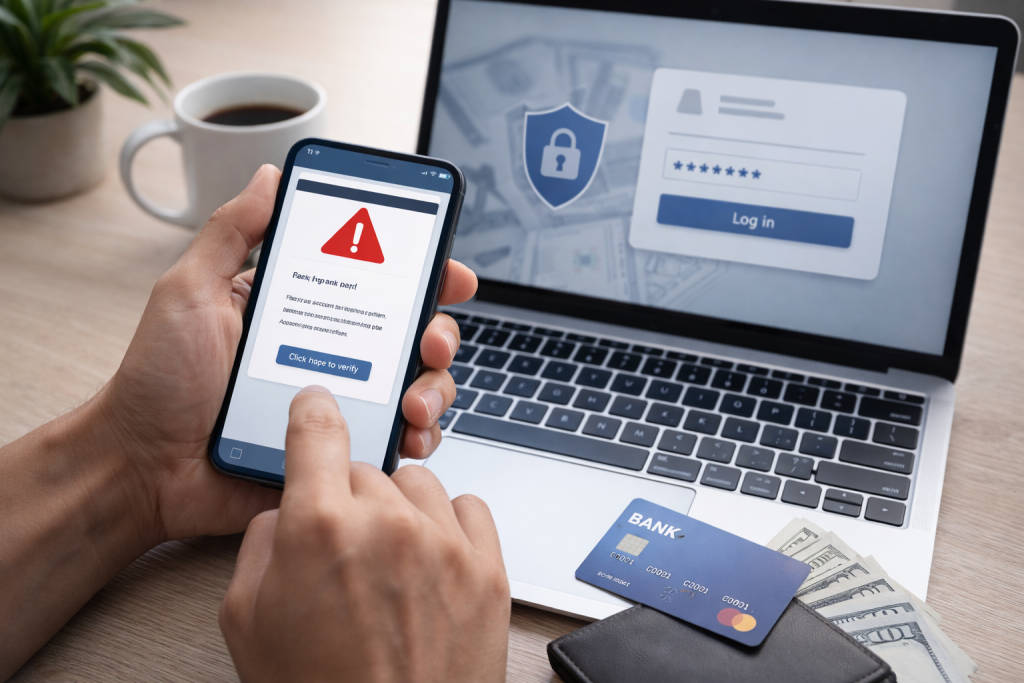
Online scams are not monolithic. They evolve, adapt, and exploit human psychology. Understanding their common patterns is the initial step towards strengthening your financial protection. Scammers often operate from the shadows, using various sophisticated methods to trick individuals into parting with money or sensitive information. Consider them like a persistent weed in your garden of finances; left unchecked, they can choke out your growth and prosperity.
Contents
- 0.1 The Deceptive Facade: Phishing and Spoofing
- 0.2 The Urgency Illusion: High-Pressure Tactics
- 0.3 The Lure of Greed: Investment and Lottery Scams
- 0.4 The Social Engineering Stratagem: Pretexting and Impersonation
- 0.5 Strong Authentication: Your First Line of Defense
- 0.6 Vigilant Navigation: Recognizing Deception in Action
- 0.7 Secure Transaction Practices: Protecting Your Purchases
- 0.8 Staying Informed About Emerging Threats
- 0.9 Teaching Digital Literacy to Loved Ones
- 0.10 Recognizing the Red Flags: A Practical Toolkit
- 0.11 The Golden Rule: Never Rush
- 0.12 Verifying with Trusted Sources
- 0.13 Reporting Suspicious Activity: Your Role in Community Defense
- 0.14 Regularly reviewing your financial statements is like a health check for your finances.
- 0.15 Staying Updated on Security Best Practices
- 0.16 The Power of a Resilient Mindset
- 1 FAQs
- 1.1 What are common types of online scams targeting finances?
- 1.2 How can I protect my personal and financial information from online scams?
- 1.3 What should I do if I suspect I have been a victim of an online scam?
- 1.4 What are some red flags to look out for to identify potential online scams?
- 1.5 How can I stay informed about the latest online scams and fraud prevention techniques?
The Deceptive Facade: Phishing and Spoofing
Phishing is perhaps the most pervasive form of online scam. It involves attackers impersonating legitimate organizations—banks, government agencies, online retailers, or even your employer—through emails, text messages, or fake websites. The goal is to lure you into revealing personal information such as usernames, passwords, credit card numbers, or social security numbers. Spoofing is a closely related tactic where scammers manipulate the sender’s address or phone number to appear as a trusted source. They might send an email that looks like it comes from your bank, complete with their logo and branding, urging you to “verify your account details” due to a supposed security breach. Clicking on the link might lead to a visually identical, but fake, login page designed to capture your credentials.
The Urgency Illusion: High-Pressure Tactics
Many scams rely on creating a sense of urgency or fear. You might receive a notification of an unpaid bill, a suspicious transaction on your account, or a warning that your account will be closed if immediate action isn’t taken. These tactics aim to circumvent your rational thinking and elicit an immediate, frequently impulsive response. Scammers want you to act before you have time to consult reliable sources or think critically. Imagine a fox pretending to be injured in order to lure a bird closer; the sense of urgency serves as the bait.
The Lure of Greed: Investment and Lottery Scams
These scams prey on the desire for quick riches. Promises of guaranteed high returns on investments or notifications of winning an unclaimed lottery are common. These often require an upfront fee for taxes, processing, or legal costs, which, of course, never materialize into any winnings. Many people are blinded by the allure of effortless wealth and fail to recognize the warning signs.
The Social Engineering Stratagem: Pretexting and Impersonation
Beyond impersonating organizations, scammers use social engineering to build trust and manipulate individuals. Pretexting involves creating a fabricated scenario, or pretext, to gain access to information. This could be a fake IRS agent demanding immediate payment of back taxes or a tech support scammer claiming your computer is infected and offering to fix it for a fee. In some instances, scammers might impersonate friends or family members, fabricating emergencies to solicit funds.
Fortifying your finances against online scams requires a multi-layered approach. Just as a castle has multiple defenses, so too should your digital presence. These measures are not a singular fix but a continuous practice of vigilance.
Strong Authentication: Your First Line of Defense
The cornerstone of online security is strong, unique passwords. Using the same password across multiple accounts is like having one key for your house, your car, and your safety deposit box—if one is lost, all are compromised.
The Power of Complexity and Uniqueness
Your passwords should be a blend of uppercase and lowercase letters, numbers, and symbols. They should be long, ideally at least 12 characters, and not easily guessed based on personal information. Avoid using common words, personal names, birthdates, or sequential numbers. A password manager is an invaluable tool that can generate and store complex, unique passwords for all your online accounts, freeing you from the burden of memorizing them.
Multi-Factor Authentication: The Double Lock
Many online services now offer Multi-Factor Authentication (MFA) or Two-Factor Authentication (2FA). This adds an extra layer of security by requiring a second form of verification beyond your password, such as a code sent to your phone or a fingerprint scan. Even if a scammer obtains your password, they cannot access your account without this second factor. Consider MFA the deadbolt on your door, an essential addition to the primary lock.
Your browser and your email client are your primary gateways to the online world. Staying alert within these spaces is critical.
Scrutinizing Links and Attachments: The Devil’s in the Details
Never click on links or download attachments from unsolicited emails or messages, even if they appear to be from a trusted source. Hover your mouse over links to see the actual URL before clicking. If it looks suspicious or doesn’t match the expected domain, do not proceed. Similarly, be wary of unexpected attachments, especially those with .exe or .zip extensions, as these can contain malware.
Website Verification: The Trustworthy Address
Before entering any sensitive information on a website, verify its legitimacy. Look for “https” in the URL, which indicates a secure connection. A padlock icon in the address bar is another indicator of a secure site. However, remember that scammers can also obtain SSL certificates, so this is a necessary but not sufficient check. Look for contact information, privacy policies, and reviews from reputable sources.
Secure Transaction Practices: Protecting Your Purchases
Your financial transactions are prime targets for scammers. Adopting secure habits can prevent many types of fraud.
The Value of Credit Cards Over Debit Cards
For online purchases, credit cards generally offer greater protection than debit cards. Credit card companies often have robust fraud protection policies, and if a fraudulent transaction occurs, you are typically not liable for the charges. Debit card fraud can directly drain your bank account, making it harder to recover your funds.
Avoiding Public Wi-Fi for Sensitive Activities
Cybercriminals can easily monitor public Wi-Fi networks due to their frequent unsecured nature. Avoid conducting online banking, making purchases, or accessing sensitive accounts while connected to public Wi-Fi. If you must, use a Virtual Private Network (VPN) for an added layer of encryption.
Knowledge is indeed power, especially in the fight against online scams. Continually educating yourself and those around you is a vital defense.
Staying Informed About Emerging Threats
The tactics employed by scammers are constantly evolving. Dedicate time to staying informed about the latest scam trends. Reputable cybersecurity websites, consumer protection agencies, and news outlets often publish alerts and advisories about new and prevalent scams.
Teaching Digital Literacy to Loved Ones
Share your knowledge with family and friends, particularly those who may be more vulnerable, such as older adults or individuals less familiar with technology. Explain the common scam tactics and the protective measures discussed in this guide. A collective understanding strengthens everyone’s defenses.
Recognizing the Red Flags: A Practical Toolkit
There are common warning signs that can indicate a scam is underway. Developing an awareness of these red flags can help you sidestep potential traps.
Unsolicited Contact and Demands: The Unexpected Knock
Be suspicious of any unsolicited contact that demands immediate action, personal information, or payment. Legitimate organizations rarely contact you out of the blue asking for sensitive data.
Guarantees of Windfalls and Unrealistic Promises: The Siren Song
If an offer appears excessively favorable, it’s likely not genuine. Refrain from engaging with any offers that promise guaranteed high returns, free money, or easy wealth.
Requests for Payment in Unusual Methods: The Obscure Transaction
Scammers often request payment through untraceable methods like gift cards, cryptocurrency, or wire transfers. Legitimate businesses will typically accept standard payment methods like credit cards or checks.
Instinct is a powerful tool. If something feels wrong, it is wise to pause and investigate. Acting swiftly and appropriately can mitigate potential damage.
The Golden Rule: Never Rush
If you feel pressured or rushed into making a decision, stop. Breathe deeply, remove yourself from the immediate situation, and contact the organization directly using a legitimate phone number, not the one provided in the suspicious communication. Now is the time to pause and avoid making a hasty decision.
Verifying with Trusted Sources
If you receive a suspicious communication from a company or organization, do not rely on the contact information provided within that communication. Instead, find the official contact information for that entity through a web search or by checking your existing statements and documentation. Contact them directly to verify the legitimacy of the communication.
Reporting Suspicious Activity: Your Role in Community Defense
Reporting suspected scams is crucial for protecting yourself and others. It helps authorities track down criminals and allows them to issue warnings to the public.
Contacting Financial Institutions
If you believe your financial accounts have been compromised or you have fallen victim to a scam, contact your bank or credit card company immediately. They can help freeze accounts, dispute fraudulent charges, and guide you through the recovery process.
Reporting to Authorities and Organizations
Depending on the nature of the scam, you may need to report it to various authorities. This can include your local police department, the Federal Trade Commission (FTC) in the United States, or equivalent consumer protection agencies in other countries. Websites like ScamAdviser.com and the Better Business Bureau also offer platforms for reporting and researching scams.
Protecting your finances from online scams is not a one-time effort; it is an ongoing commitment to vigilance and education. Staying ahead in the constantly evolving digital world necessitates constant adaptation.
Regularly reviewing your financial statements is like a health check for your finances.
Make it a habit to regularly review your bank statements, credit card statements, and other financial transactions. Look for any unfamiliar charges or unusual activity. Early detection is key to minimizing losses. This procedure is like regularly checking your vital signs to ensure good health.
Staying Updated on Security Best Practices
The security landscape changes rapidly. Make it a point to revisit and update your understanding of online security best practices periodically. Cybersecurity is not a static field; it requires continuous learning.
The Power of a Resilient Mindset
Ultimately, the most effective defense is a combination of technological safeguards, informed vigilance, and a resilient mindset. By understanding the tactics of scammers, implementing strong protective measures, and committing to ongoing education, you can significantly reduce your vulnerability and safeguard your financial well-being in the digital age. Your financial security is a garden you cultivate; constant attention and care will ensure its healthy growth and protect it from encroaching weeds.
FAQs
What are common types of online scams targeting finances?
Common types of online scams targeting finances include phishing, identity theft, investment fraud, and fake online shopping websites.
How can I protect my personal and financial information from online scams?
To protect your personal and financial information from online scams, you should use strong, unique passwords, enable two-factor authentication, avoid clicking on suspicious links or attachments, and regularly monitor your financial accounts for any unauthorized activity.
What should I do if I suspect I have been a victim of an online scam?
If you suspect you have been a victim of an online scam, you should immediately contact your financial institution, report the incident to the appropriate authorities, and consider placing a fraud alert on your credit report.
What are some red flags to look out for to identify potential online scams?
Some red flags to look out for to identify potential online scams include unsolicited emails or phone calls requesting personal or financial information, offers that seem too good to be true, and websites with poor security measures or misspelled URLs.
How can I stay informed about the latest online scams and fraud prevention techniques?
To stay informed about the latest online scams and fraud prevention techniques, you can subscribe to reputable financial news sources, follow official government websites and law enforcement agencies, and consider attending workshops or seminars on financial fraud prevention.

Sarah Khan is a technology enthusiast and the admin of ProTechTuto. Her goal is to provide clear, practical, and easy-to-understand tech guides for beginners, helping them build strong digital skills with confidence.