The ABCs of CMS: A Beginner’s Introduction to Content Management Systems
A Content Management System (CMS) is a software application that allows users to create, manage, and modify content on a website without requiring specialized technical knowledge. Think of it as a user-friendly interface that sits between you and the complex code that makes a website function. Instead of needing to hire a web developer for every minor change or addition to your site, a CMS empowers you to be the author and administrator of your own digital space.
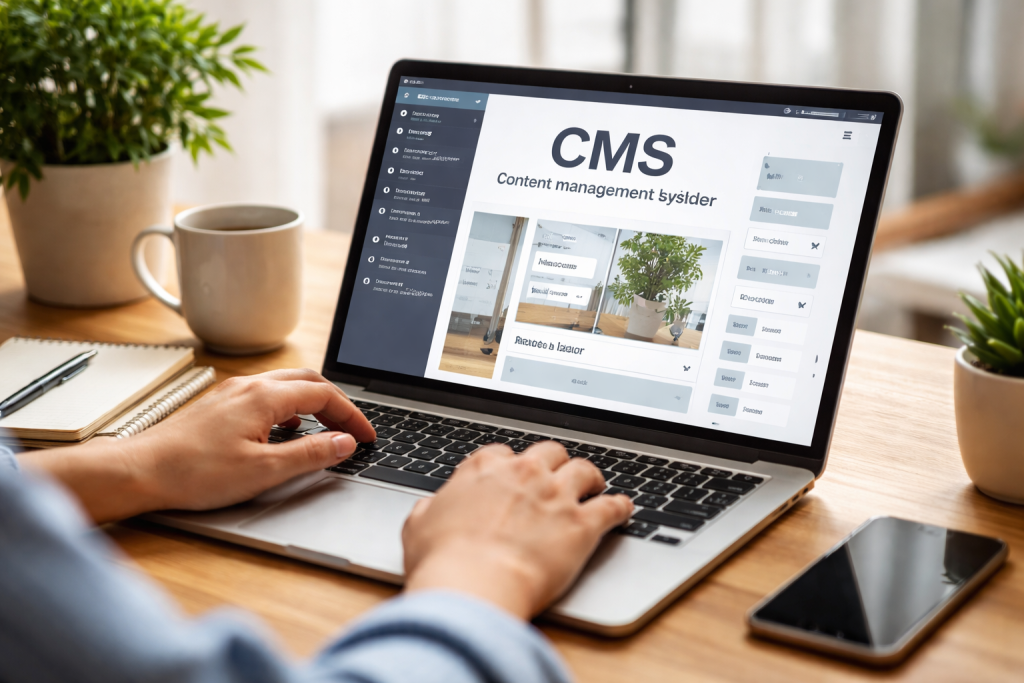
At its heart, a CMS separates the content of a website from its design and functionality. This separation is crucial. The content is the information you want to share—text, images, videos, and other media. The design determines the visual presentation of that information, while the functionality encompasses the interactive elements and features of the site. A CMS provides tools to manage these components in a structured and organized manner.
Contents
- 0.1 How Content is Stored and Organized
- 0.2 The Role of Templates and Themes
- 0.3 Simplified Content Creation and Editing
- 0.4 Enhanced Collaboration and Workflow
- 0.5 Improved Website Maintenance and Updates
- 0.6 Greater Control Over Your Online Presence
- 0.7 Open-Source CMS
- 0.8 Proprietary (Closed-Source) CMS
- 0.9 Headless CMS
- 0.10 Assessing Your Technical Expertise
- 0.11 Budgetary Considerations
- 0.12 Scalability and Future Growth
- 0.13 Specific Feature Requirements
- 0.14 Content Creation and Editing Interface
- 0.15 Media Library
- 0.16 User Management and Permissions
- 0.17 Theme and Template Management
- 0.18 Plugin and Extension Integration
- 0.19 Establish a Clear Content Hierarchy
- 0.20 Maintain a Consistent Branding and Style Guide
- 0.21 Optimize Content for Search Engines (SEO)
- 0.22 Regularly Review and Update Content
- 0.23 Technical Glitches and Compatibility Issues
- 0.24 Security Vulnerabilities
- 0.25 Performance Slowdowns
- 0.26 Learning Curve with Advanced Features
- 1 FAQs
How Content is Stored and Organized
Information within a CMS is typically stored in a database. This database acts as a central repository for all your website’s content. When a user visits your website, the CMS queries this database for the relevant information and then, using predefined templates, assembles and displays the page. This process is dynamic, meaning the content can be updated and changed without altering the underlying website structure or code. This is a significant departure from older methods, where content and code were often intertwined, making modifications a more laborious and error-prone task.
The Role of Templates and Themes
Templates and themes are the visual dress of your website, and a CMS offers a wide selection of these. A template is a pre-designed layout for a particular type of page (e.g., homepage, blog post, contact page). A theme, on the other hand, often encompasses a collection of templates and associated styling, dictating the overall look and feel of the entire website. With a CMS, you can often switch themes or customize templates to change the appearance of your site without affecting the content you’ve already published. This allows for flexibility and scalability as your needs evolve.
The adoption of a CMS brings a multitude of benefits to individuals and organizations alike. The primary advantage lies in its accessibility, broadening the scope of who can manage a website.
Simplified Content Creation and Editing
One of the most significant benefits of a CMS is the ease with which content can be created and edited. Most CMS platforms offer a WYSIWYG (What You See Is What You Get) editor, which functions much like a word processor. You can type, format text, insert images, and embed videos directly within the editor, seeing a preview of how it will appear on the live website. This intuitive approach removes the need for coding knowledge for everyday content tasks, making website management accessible to marketers, writers, and business owners.
Enhanced Collaboration and Workflow
For larger projects or teams, a CMS facilitates collaboration. Multiple users can be granted different levels of access, allowing them to contribute content, approve changes, or perform administrative tasks. This structured approach improves workflow efficiency and ensures that content is published with appropriate oversight. Features like revision history and user permissions prevent accidental overwrites and provide an audit trail of changes.
Improved Website Maintenance and Updates
Maintaining a website can be a daunting task, especially for those without a technical background. A CMS simplifies this process significantly. When you need to update your website’s software, plugins, or security patches, the CMS often provides a streamlined update mechanism. This is crucial for keeping your website secure and running smoothly, allowing you to focus on your content rather than technical upkeep.
Greater Control Over Your Online Presence
Ultimately, a CMS gives you a higher degree of control over your online presence. You are not reliant on a third party for every minor adjustment. This autonomy empowers you to be more agile in responding to market changes, updating information, and experimenting with new content strategies. It’s akin to having the keys to your own digital storefront, allowing you to rearrange displays and update inventory at your own pace.
The landscape of content management systems is diverse, with numerous platforms catering to various needs and technical skill levels. Understanding these differences is key to selecting the right tool for your project. These platforms can be broadly categorized.
Open-Source CMS
Open-source CMS platforms are characterized by their free availability and the fact that their source code is publicly accessible. This means anyone can view, modify, and distribute the software. Popular examples include WordPress, Joomla, and Drupal.
WordPress
Originally developed as a blogging platform, WordPress has evolved into the most widely used CMS globally. Its popularity stems from its user-friendliness, extensive library of themes and plugins, and a large active community providing support and development. It’s suitable for a broad range of websites, from personal blogs to e-commerce stores and corporate sites.
Joomla
Joomla is another robust open-source CMS that offers more flexibility and extensibility than WordPress by default, though it can have a steeper learning curve for beginners. It’s often favored for more complex websites requiring custom functionalities and user management features.
Drupal
Drupal is known for its power, flexibility, and scalability, making it a popular choice for enterprise-level websites and applications with demanding requirements. It features a sophisticated architecture and a strong emphasis on security and performance. However, it generally requires a higher level of technical expertise to implement and manage.
Proprietary (Closed-Source) CMS
Proprietary CMS platforms are developed and owned by a specific company. Users typically pay a licensing fee to use the software, and the source code is not publicly available. These platforms often come with dedicated support and may offer specialized features for specific industries.
SaaS (Software as a Service) CMS
SaaS CMS solutions are hosted by the provider and accessed via a web browser. This means you don’t need to worry about server management, software installation, or updates. Examples include Wix, Squarespace, and Shopify. These platforms are often designed for ease of use and offer all-in-one solutions for website building and hosting.
Headless CMS
A headless CMS is a back-end-only content management system that acts primarily as a content repository. It makes content accessible via APIs for display on any device or platform. This approach offers significant flexibility for developers and allows for omnichannel content delivery. Examples include Contentful and Strapi.
Choosing a CMS is a significant decision that will impact your website’s functionality, scalability, and ease of management. It’s not a one-size-fits-all scenario; the best CMS for one project might be unsuitable for another.
Assessing Your Technical Expertise
Your comfort level with technology is a primary consideration. If you have limited technical knowledge, a user-friendly platform like WordPress or a SaaS solution like Squarespace will be more appropriate. For those comfortable with coding and server management, more advanced options like Drupal or a headless CMS might offer greater control.
Budgetary Considerations
CMS platforms vary greatly in cost. Open-source options are free to use, but you may incur costs for hosting, domain registration, premium themes, or plugins. Proprietary and SaaS solutions typically involve recurring subscription fees, which can range from affordable monthly plans to substantial enterprise contracts. Factor in ongoing maintenance and potential development costs.
Scalability and Future Growth
Consider your website’s potential for growth. Does the CMS you’re considering offer the flexibility to add features, handle increased traffic, and adapt to evolving business needs? A platform that can scale with your ambitions will save you from costly migrations down the line.
Specific Feature Requirements
Identify the essential features your website requires. Do you need e-commerce capabilities, robust user management, multilingual support, advanced SEO tools, or integration with other software? Research platforms that excel in these areas. For example, if e-commerce is your primary goal, platforms like Shopify might be a more direct fit than a general-purpose CMS.
Once you’ve chosen a CMS, understanding its fundamental features will help you utilize it effectively. These features are the building blocks of your website’s management.
Content Creation and Editing Interface
As mentioned, the content editor is your primary tool for creating and modifying text, images, and other media. Familiarize yourself with its formatting options, media embedding capabilities, and any advanced features like content scheduling or version control. This is where the magic of content transformation happens.
Media Library
A media library is a central place within the CMS where you can upload, organize, and manage all your images, videos, documents, and other files. A well-organized media library saves time and prevents duplicate uploads, ensuring you can easily find and reuse assets.
User Management and Permissions
For websites with multiple contributors, user management is critical. This feature allows you to create different user accounts and assign specific roles and permissions, determining what each user can see and do within the CMS. This is essential for maintaining security and editorial control.
Theme and Template Management
This encompasses how you select, customize, and apply themes and templates to your website. Understanding how to switch themes, modify existing templates, or even create new ones from scratch will empower you to control your site’s visual presentation.
Plugin and Extension Integration
Many CMS platforms support plugins or extensions, which are small pieces of software that add functionality to your website. These can range from SEO optimization tools to contact forms, social media integration, and e-commerce features. Learning how to find, install, and manage plugins is key to extending your CMS’s capabilities.
Effectively managing your content within a CMS is crucial for a well-functioning and user-friendly website. It’s not just about putting information online; it’s about making it discoverable, engaging, and easy to navigate.
Establish a Clear Content Hierarchy
Organize your content logically using categories, tags, and a well-defined site structure. This not only benefits your website’s navigability for visitors but also makes it easier for you to manage and update content. Think of it as tidying your digital filing cabinet.
Maintain a Consistent Branding and Style Guide
Ensure all content adheres to your brand’s visual and tonal guidelines. This includes consistent use of fonts, colors, and language. A unified voice and appearance build trust and recognition with your audience.
Optimize Content for Search Engines (SEO)
Utilize the SEO features within your CMS to improve your website’s visibility in search results. This involves optimizing meta descriptions, using relevant keywords, and ensuring your content is well-structured and readable.
Regularly Review and Update Content
Outdated information can harm your credibility. Schedule regular reviews of your website’s content to ensure accuracy and relevance. Remove or update content that is no longer useful.
While CMS platforms offer significant advantages, users may encounter challenges. Being aware of these potential pitfalls can help you overcome them proactively.
Technical Glitches and Compatibility Issues
Sometimes, themes, plugins, or core CMS updates can conflict, leading to technical problems. Thoroughly testing updates on a staging environment before applying them to your live site can mitigate this risk. If issues arise, consulting documentation or the CMS community forums is often the first step.
Security Vulnerabilities
As with any software, CMS platforms can be targets for security threats. Regularly updating your CMS and all plugins, using strong passwords, and implementing security measures like firewalls are essential practices.
Performance Slowdowns
As your website grows and accumulates more content and plugins, performance can sometimes suffer. Optimizing images, leveraging caching mechanisms, and choosing a reliable hosting provider can help maintain fast loading times.
Learning Curve with Advanced Features
While many CMS platforms are user-friendly, mastering their more advanced features or customization options can require time and effort. Online tutorials, documentation, and community forums are invaluable resources for learning.
By understanding the functionalities and potential challenges of content management systems, you can harness their power to create and maintain a robust and effective online presence.
FAQs
What is a Content Management System (CMS)?
A Content Management System (CMS) is a software application that allows users to create, manage, and publish digital content on the web without requiring technical expertise. It provides a user-friendly interface for content creation, editing, and organization.
The Benefits of Using a CMS
Using a CMS offers several benefits, including easy content management, streamlined workflow, customizable design and functionality, improved site maintenance, and enhanced security features. It also allows for collaboration among multiple users and provides tools for search engine optimization (SEO).
Different Types of CMS Platforms
There are various types of CMS platforms, including open-source CMS (e.g., WordPress, Joomla), proprietary CMS (e.g., Adobe Experience Manager, Sitecore), and headless CMS (e.g., Contentful, Strapi). Each type has its own features, benefits, and limitations, catering to different user needs and preferences.
How to Choose the Right CMS for Your Needs
When choosing a CMS, consider factors such as your technical expertise, budget, scalability, customization options, integration capabilities, and specific requirements for content management. It’s important to research and compare different CMS platforms to find the best fit for your needs.
Tips for Managing and Organizing Content in a CMS
To effectively manage and organize content in a CMS, utilize features such as categorization, tagging, metadata, content scheduling, version control, and user permissions. Establish a content strategy, create a consistent taxonomy, and regularly review and update your content to maintain its relevance and quality.

Sarah Khan is a technology enthusiast and the admin of ProTechTuto. Her goal is to provide clear, practical, and easy-to-understand tech guides for beginners, helping them build strong digital skills with confidence.